Friday, January 9, 2009

Introduction to Global Warming

Measurements of temperature taken by instruments all over the world, on land and at sea have revealed that during the 20th century the Earth’s surface and lowest part of the atmosphere warmed up on average by about 0.6°C. During this period, man-made emissions of greenhouse gases, including carbon dioxide, methane and nitrous oxide have increased, largely as a result of the burning of fossil fuels for energy and transportation, and land use changes including deforestation for agriculture. In the last 20 years, concern has grown that these two phenomena are, at least in part, associated with each other. That is to say, global warming is now considered most probably to be due to the increases in greenhouse gas emissions and concurrent increases in atmospheric greenhouse gas concentrations, which have enhanced the Earth's natural greenhouse effect. Whilst other natural causes of climate change can cause global climate to change over similar periods of time, computer models demonstrate that in all probability there is a real discernible human influence on the global climate.

If the climate changes as current computer models have projected, global average surface temperature could be anywhere from 1.4 to 5.8°C higher by the end of the 21st century than in 1990. To put this temperature change into context, the increase in global average surface temperature which brought the Earth out of the last major ice age 14,000 years ago was of the order of 4 to 5°C. Such a rapid change in climate will probably be too great to allow many ecosystems to suitably adapt, and the rate of species extinction will most likely increase. In addition to impacts on wildlife and species biodiversity, human agriculture, forestry, water resources and health will all be affected. Such impacts will be related to changes in precipitation (rainfall and snowfall), sea level, and the frequency and intensity of extreme weather events, resulting from global warming. It is expected that the societies currently experiencing existing social, economic and climatic stresses will be both worst affected and least able to adapt. These will include many in the developing world, low-lying islands and coastal regions, and the urban poor.

The Framework Convention on Climate Change (1992) and the Kyoto Protocol (1997) represent the first steps taken by the international community to protect the Earth's climate from dangerous man-made interference. Currently, nations have agreed to reduce greenhouse gas emissions by an average of about 5% from 1990 levels by the period 2008 to 2012. The UK, through its Climate Change Programme, has committed itself to a 12.5% cut in greenhouse gas emissions. Additional commitments for further greenhouse gas emission reduction will need to be negotiated during the early part of the 21st century, if levels of greenhouse gas concentrations in the atmosphere are to be stabilised at reasonable levels. Existing and future targets can be achieved by embracing the concept of sustainable development - development today that does not compromise the development needs of future generations. In practical terms, this means using resources, particularly fossil-fuel-derived energy, more efficiently, re-using and recycling products where possible, and developing renewable forms of energy which are inexhaustible and do not pollute the atmosphere.

British Isles

Climate change has potential risks for the British Isles. Most critical of these risks is an increase in frequency and intensity of extreme weather such as hot spells, drought and storms. Accompanying a projected rise in average surface temperature of between 0.9 and 2.4°C by 2050 will be the increased occurrence of hot, dry summers, particularly in the southeast. Mild wet winters are expected to occur more often by the middle of the 21st century, especially in the northwest, but the chance of extreme winter freezing should diminish.

Higher temperatures may reduce the water-holding capacity of soils and increase the likelihood of soil moisture deficits, particularly if precipitation does not increase as well. These changes would have a major effect on the types of crops, trees or other vegetation that the soils can support. The stability of building foundations and other structures, especially in central, eastern and southern England, where clay soils with a large shrink-swell potential are abundant, would be affected if summers became drier and winters wetter.

Any sustained rise in mean surface temperature exceeding 1°C, with the associated extreme weather events and soil water deficits, would have marked effects on the UK flora and fauna. There may be significant movements of species northwards and to higher elevations. Predicted rates of climate change may be too great for many species, particularly trees, to adapt genetically. Many native species and communities would be adversely affected and may be lost to the UK, especially endangered species which occur in isolated damp, coastal or cool habitats. It is likely that there would be an increased invasion and spread of alien weeds, pests, diseases and viruses, some of which may be potentially harmful. Increased numbers of foreign species of invertebrates, birds and mammals may out-compete native species.

Climate changes are likely to have a substantial effect on agriculture in the UK. In general, higher temperatures would decrease the yields of cereal crops (such as wheat) although the yield of crops such as potatoes and sugar beet would tend to increase. However, pests such as the Colorado beetle on potatoes and rhizomania on sugar beet, currently thought to be limited by temperature, could become more prevalent in the future. The length of the growing season for grasses and trees would increase by about 15 days per degree Celsius rise in average surface temperature, an increase that could improve the viability of crops such as maize and sunflower, which are currently grown more in warmer climates.

Increases in sea level, and the frequency and magnitude of storms, storm surges and waves would lead to an enhanced frequency of coastal flooding. A number of low-lying areas are particularly vulnerable to sea level rise, including the coasts of East Anglia, Lancashire, Lincolnshire and Essex, the Thames estuary, parts of the North Wales coast, the Clyde/Forth estuaries and the Belfast Lough. Flooding would result in short-term disruption to transport, manufacturing and housing, and long-term damage to engineering structures such as coastal power stations, rail and road systems. In addition, long-term damage to agricultural land and groundwater supplies, which provide about 30% of the water supply in the UK, would occur in some areas due to salt water infiltration.

Water resources would generally benefit from wetter winters, but warmer summers with longer growing seasons and increased evaporation would lead to greater pressures on water resources, especially in the southeast of the UK. Increased rainfall variability, even in a wetter climate, could lead to more droughts in any region in the UK. Higher temperatures would lead to increased demand for water and higher peak demands, requiring increased investment in water resources and infrastructure. An increase in temperature would increase demand for irrigation, and abstraction from agriculture would compete with abstractions for piped water supply by other users.

Higher temperatures would have a pronounced effect on energy demand. Space heating needs would decrease substantially but increased demand for air conditioning may entail greater electricity use. Repeated annual droughts could adversely affect certain manufacturing industries requiring large amounts of process water, such as paper-making, brewing and food industries, as well as power generation and the chemical industry.

Sensitivity to weather and climate change is high for all forms of transport. Snow and ice present a very difficult weather related problem for the transport sector. A reduction in the frequency, severity and duration of winter freeze in the British Isles would be likely under conditions associated with global warming and could be beneficial. However, any increase in the frequency of severe gale episodes could increase disruption to all transport sectors.

The insurance industry would be immediately affected by a shift in the risk of damaging weather events arising from climate change in the British Isles. If the risk of flooding increases due to sea level rise, this would expose the financial sector to the greatest potential losses.

UK tourism has an international dimension which is sensitive to any change in climate which alters the competitive balance of holiday destinations worldwide. If any changes to warmer, drier summer conditions occur, this could stimulate an overall increase in tourism in the UK. However, any significant increase in rainfall, wind speed or cloud cover could offset some of the general advantages expected from higher temperatures.

Methane

Methane (CH4) is a colourless, odourless non-toxic gas consisting of molecules of four hydrogen atoms and one carbon atom. Methane is combustible, and mixtures of about 5 to 15% in air are explosive. It is the main constituent of natural gas, a fossil fuel. It is released into the atmosphere when organic matter decomposes in environments lacking sufficient oxygen. Natural sources include wetlands, swamps and marshes, termites, and oceans. Man-made sources include the mining and burning of fossil fuels, digestive processes in ruminant animals such as cattle, rice paddies and the burying of waste in landfills. Most methane is broken down in the atmosphere by reacting with hydroxyl (OH) radicals.

Like carbon dioxide, methane is a greenhouse gas whose molecules absorb heat trying to escape to space. Methane contributes to the Earth's natural greenhouse effect. Man-made emissions of methane are helping to enhance the greenhouse effect. Since the beginning of the Industrial Revolution, atmospheric methane concentration has more than doubled, and has contributed 20% to the enhancement of the greenhouse effect, second only to carbon dioxide.


Chlorofluorocarbons

Chlorofluorocarbons, commonly known as CFCs, are a group of man-made compounds containing chlorine, fluorine and carbon. They are not found anywhere in nature. The production of CFCs began in the 1930s for the purpose of refrigeration. Since then they have been extensively utilised as propellants in aerosols, as blowing agents in foam manufacture and in air conditioning. There are no removal processes or sinks for CFCs in the lowest part of the atmosphere called the troposphere. As a result they are transported up into the stratosphere, between 10 to 50 km above the Earth's surface, where they are broken down by ultraviolet (UV) radiation from the Sun, releasing free chlorine atoms which cause significant ozone depletion.

Although the amounts of CFCs in the atmosphere are very small, measured in parts per trillion (million million), they do contribute significantly to the enhancement of the natural greenhouse effect, because they are very good at trapping heat. Molecule for molecule some CFCs are thousands of times stronger than carbon dioxide as greenhouse gases.

Since the dangers caused by CFCs to the ozone layer were first identified, their use has gradually been phased out, according to international agreements made in Montreal, Canada, in 1987. However, CFCs have long lifetimes in the atmosphere before they are broken down by sunlight, and consequently they will continue to enhance the greenhouse effect well into the 21st century.

Wednesday, January 7, 2009

Water

Global warming will lead to an intensification of the global water or hydrological cycle through increases in surface temperature and rates of evaporation, and in some regions, increases in precipitation. Changes in the total amount of precipitation and its frequency and intensity directly affect the magnitude and timing of run-off and the intensity of floods and droughts. Such changes will have significant impacts on regional water resources.

It is not certain how individual water catchment areas will respond to changing evaporation rates and precipitation. It is likely however, that currently dry regions will be more sensitive to changes in climate. Relatively small changes in temperature and precipitation could cause relatively large changes in run-off. Arid and semi-arid regions will therefore be particularly sensitive to reduced rainfall and to increased evaporation.

An increase in the duration of dry spells will not necessarily lead to an increased likelihood of low river flows and groundwater levels, since increases in precipitation may be experienced during other seasons. More probably, increased rainfall will lead to an increased likelihood of river flooding. Changes in seasonal patterns of rainfall may affect the regional distribution of both ground and surface water supplies.

Hydrological regimes in high latitude or mountain areas are often determined by winter snowfall and spring snowmelt. Most climate models predict that global warming will reduce the amount of precipitation falling as snow in these regions, increasing the rate of water run-off and enhancing the likelihood of flooding. Climatic effects on tropical hydrological regimes are harder to predict. In the mid-latitudes, including the UK, wintertime soil moisture is expected to increase whilst summertime soil moisture may decrease. There will however, be regional variations.

Freshwater ecosystems, including lakes, streams and non-coastal wetlands will be influenced by changes to the hydrological cycle as a result of global warming. These influences will interact with other man-made changes in land use, waste disposal and water extraction. In general, freshwater organisms will tend to move towards higher latitudes as temperatures increase, whilst extinctions may be experiences at the lower latitudes.

Changes in surface water availability and run-off will influence the recharging of groundwater supplies and, in the longer term, aquifers. Water quality may also respond to changes in the amount and timing of precipitation. Rising seas could invade coastal freshwater supplies. Coastal aquifers may be damaged by saline intrusion as salty groundwater rises. Reduced water supplies would place additional stress on people, agriculture, and the environment. Regional water supplies, particularly in developing countries, will come under many stresses in the 21st century. Global warming will exacerbate the stresses caused by pollution and by growing populations and economies. The most vulnerable regions are arid and semi-arid areas, some low-lying coasts, deltas, and small islands.

Water availability is an essential component of human welfare and productivity. Much of the world’s agriculture, hydroelectric power production, water needs and water pollution control is dependent upon the hydrological cycle, and the natural recharching of surface and groundwater resources. Changes in the natural water availability as a result of global warming would result in impacts which are generally most detrimental in regions already under existing climatic stresses. Even in more benign climates, the effective management of water resources will receive increasing attention as climate change increases the level of competition between potential users for water.

Trees

A change in global climate would be accompanied by shifts in climatic zones, thereby altering the suitability of a region for the growth of distinctive species. Trees in particular have long reproductive cycles, and many species may not be able to respond to the climatic changes quickly enough. A shift in climatic zones not only affects the vegetation but also affects the incidence of tree pests such as insects and diseases. These pests have less difficulty in migrating with their climatic zones than vegetation and may damage tree species with lower immunity.

As well as the effects of temperature and precipitation variations, and changes to weather patterns, forest growth may also respond to increased atmospheric concentrations of carbon dioxide. Studies with immature forest plantations suggest that an increase in atmospheric carbon dioxide would be beneficial to tree growth. The elevated carbon dioxide concentrations enhance photosynthesis rates with increased utilisation of carbon dioxide. This is called the carbon fertilisation effect. As a consequence of carbon fertilisation, water use efficiency may also increase. Increase in growth rates however, would vary enormously within ecosystems and between species. In general, it is expected that the negative impacts of climate change on forests will have a greater impact than any positive effect due to an increase in growth rates as a result of elevated atmospheric carbon dioxide concentrations. With unmitigated emissions of greenhouse gases, substantial dieback of tropical forests and tropical grasslands is predicted to occur by the 2080s, especially in northern South America and central southern Africa. If emissions are reduced enabling atmospheric carbon dioxide concentrations to stabilise at 550 ppm (double the pre-industrial level), this loss would be substantially reduced, even by the 2230s. Considerable growth of forests is predicted to occur in North America, northern Asia and China.

As well as the effects on forests themselves, climate change is expected to influence societies and economies dependent upon forestry. Forest products make up the third most valuable international commodity after oil and gas. Trade is expected to increase in the 21st century along with demand, particularly in the developing countries. Global warming may well affect the development of such developing economies, particularly if current rates of deforestation remain unchecked and the unsustainable management of forests continues. As a consequence, societies dependent upon the income, food and shelter their forests provide them may well face increasing stresses due to crop failures, soil nutrient depletion and the effects of extreme weather events in the years to come.


The Greenhouse Effect

The Sun, which is the Earth's only external form of heat, emits solar radiation mainly in the form of shortwave visible and ultraviolet (UV) energy. As this radiation travels toward the Earth, 25% of it is absorbed by the atmosphere and 25% is reflected by the clouds back into space. The remaining radiation travels unimpeded to the Earth and heats its surface. The Earth releases a lot of energy it has received from the Sun back to space. However, the Earth is much cooler than the Sun, so the energy re-emitted from the Earth's surface is much weaker, in the form of invisible longwave infrared (IR) radiation, sometimes called heat.

Greenhouse gases like water vapour, carbon dioxide, methane and nitrous oxide trap the infrared radiation released by the Earth's surface. The atmosphere acts like the glass in a greenhouse, allowing much of the shortwave solar radiation to travel through unimpeded, but trapping a lot of the longwave heat energy trying to escape back to space. This process makes the temperature rise in the atmosphere just as it does in the greenhouse. This is the Earth's natural greenhouse effect and keeps the Earth 33°C warmer than it would be without an atmosphere, at an average 15°C. In contrast, the moon, which has no atmosphere, has an average surface temperature of -18°C.

During the last 200 years mankind has been releasing extra quantities of greenhouse gases which are trapping more heat in the atmosphere. Over the same time period the climate of the Earth has warmed, and many scientists now accept that there is a direct link between the man-made enhancement of the greenhouse effect and global warming.

Fossil Fuels

Conventional power stations burn coal, oil or gas to produce electricity. Road vehicles also burn fossil fuel in the form of petrol or diesel, products refined from oil. Coal, oil and gas are called fossil fuels because they form over millions of years through the decay, burial and compaction of rotting vegetation on land (coal), and marine organisms on the sea floor (oil and gas). Burning fossil fuels in this way releases carbon dioxide, a greenhouse gas, which enhances the natural greenhouse effect.

Coal is a solid fuel formed over millions of years by the decay of land vegetation. Over time, successive layers become buried, compacted and heated, a process through which the deposits are turned into coal. Coal is widely used in the generation of electricity in power stations because it is a highly concentrated energy source. However, it is not a particularly "clean" fuel, releasing more sulphur dioxide than either oil or gas. Coal was the first fossil fuel to be exploited on a large scale during the 19th century with the beginning of the Industrial Revolution. Before the commercial introduction of electricity, coal was primarily used in industrial boilers to create steam energy to power machinery.

Oil is formed from the remains of marine microorganisms (microscopic animals and plants) deposited on the sea floor. As they accumulate over millions of years they gradually infiltrate the microscopic cavities of the sea floor sediment and rock where they decay. The resulting oil remains trapped in these spaces, forming oil reserves which can be extracted through large drilling platforms. The use of oil increased significantly after the Second World War. In the early 1970s, approximately 40% of global fossil fuel use came from oil, but during the 1990s this figure has decreased. Improved energy efficiency has caused oil consumption to decline in many developed, industrialised countries, as well as shifts to other fuels such as natural gas and nuclear energy. Decreasing use of oil is also resulting from tougher environmental restrictions concerning its use in some regions.

Natural gas is formed in the same way as oil, from the remains of marine microorganisms. Its main constituent is methane, and when burnt also releases carbon dioxide, although in lower quantities than coal and oil. In addition, distribution leakages are a significant source of methane to the atmosphere. From the mid-1960s, up until the present day, there has been a dramatic increase in the amount of proven reserves of natural gas. Consequently, natural gas has become the fastest-growing energy resource. The present global use of natural gas is approximately 20% of all fossil fuel use, and this figure is predicted to rise in the future. Natural gas provides an alternative to oil or coal in the provision of energy, and in terms of greenhouse pollution it is a slightly more efficient fuel, with waste emissions contributing less to the enhancement of the greenhouse effect and global warming. Some estimates indicate the reserves of natural gas may be available for up to 400 years.


Agriculture

Climate is the most significant factor in determining plant growth and productivity. Without intervention to reduce emissions of greenhouse gases, global average surface temperature is projected to increase by about 0.2°C per decade during the 21st century. This rapid change in climate will have major implications for agriculture around the world.

Crop growth is often limited by temperature. Temperatures during the 21st century are expected to increase more in the higher latitudes where shifts in vegetation will be greater. In Britain an increase in temperature of 1.5°C by 2050 is the equivalent of a decrease in altitude of approximately 200m. This is the same as a shift southward in latitude of 200-300 km. Such an increase in temperature would allow widespread maize cultivation across southern England to take place. In other regions however, a rise in temperature may not be so beneficial. Small increases in temperature would extend the range of temperature-limited pests. The European Corn Borer for example, a major pest of grain maize, may shift between 165 and 500 km northwards with a rise of 1°C.

Moisture and water availability will be affected by a temperature increase, regardless of any change in rainfall. Higher temperatures increase the evaporation rate, thus reducing the level of moisture available for plant growth, although other climatic elements are involved. A warming of 1°C, with no change in precipitation, may decrease yields of wheat and maize in the core cropping regions such as the US by about 5%. A very large decrease in moisture availability in the dryer regions of the world would be of great concern to the subsistence farmers that farm these lands. Reduced moisture availability would only exacerbate the existing problems of infertile soils, soil erosion and poor crop yields. In the extreme case, a reduction in moisture could lead to desertification.

Sea levels have been projected to rise by anywhere up to a metre by 2100, although considerable uncertainty is attached to this. The greatest threat to low-lying agricultural regions from sea level rise is that of inundation and flooding. Southeast Asia would have the greatest threat of inundation because of the deltaic nature of the land. Furthermore, the pollution of surface and groundwater with salty seawater is another potential problem facing farmers situated in low-lying regions. The costs of agricultural production would increase, resulting in higher food prices for the consumer.

Although climate changes may have some detrimental impacts on agricultural production around the world, the increase in atmospheric carbon dioxide concentrations could be beneficial. Plants grow as a result of photosynthesis - the mechanism whereby the plant converts carbon dioxide from the atmosphere into food. With higher levels of carbon dioxide stimulating the rate of photosynthesis, the growth rate and productivity of plants could be expected to increase. This would be beneficial for global food stocks. Most crops grown in cool, temperate regions respond positively to an increased concentration of carbon dioxide, including some of the current major food staples such as wheat, rice and soybean. Some studies have shown that growth rate in these crops may increase up to 50% if carbon dioxide in the atmosphere is doubled. Crops grown in the tropical regions of the world, including sorghum, maize, sugar cane and millet, which together account for about one fifth of the world's food production, do not respond as well to increases in carbon dioxide.

In order to maintain agricultural output to meet the demand for a growing world population, farmers will have to adjust and adapt as and when necessary to the possible changes imposed by changing climate. Higher temperatures would increase the demand for irrigation of agricultural land. Unfortunately, in many arid and semi-arid regions of the world the demand for water already exceeds supply. Increased spread of pests and disease may also place additional demands on the need for fertilisers, pesticides and herbicides which are costly. The ability to adapt to the effects of climate change will vary greatly between countries and regions. Economic and technological constraints will limit the rate of adaptability, with poorer economies lagging behind. Consequently, without intervention the effects of climate change in the 21st century look set to further widen the gulf between developed and developing nations.

Carbon Dioxide

Carbon dioxide (CO2) is a colourless, odourless gas consisting of molecules of two oxygen atoms and one carbon atom. Carbon dioxide is produced when any form of carbon or almost any carbon compound is burned in an excess of oxygen. For example, it is released into the atmosphere during natural forest fires and the man-made combustion of fossil fuels. Other natural sources of carbon dioxide include volcanic eruptions, decay of dead plant and animal matter, evaporation from the oceans and respiration (breathing). Carbon dioxide is removed from the atmosphere by carbon dioxide "sinks". The main removal processes are absorption by seawater, and utilisation (for photosynthesis) by ocean-dwelling plankton and land-dwelling biomass, including forests and grasslands.

Through Earth history the amount of carbon dioxide in the atmosphere has varied significantly. The Earth's early atmosphere was probably composed mostly of carbon dioxide. At that time, the natural greenhouse effect would have been very strong, trapping much more heat than today, but billions of years ago the Sun was not as hot. During the last few hundred million years, the concentration of atmospheric carbon dioxide has generally been declining. In the most recent geological past it has been only a trace gas making up a few hundred parts per million of the gases in the atmosphere.

At the end of the last Ice Age 14,000 years ago, the level of carbon dioxide in the air increased about 50%. Scientists believe this may explain some of the rise in global temperatures that occurred at that time. Following this global climate transition the atmospheric carbon dioxide concentration remained fairly constant at about 280 parts per million until the end of the 18th century. Since then, man-made emissions of carbon dioxide from burning fossil fuels, deforestation, waste incineration and the manufacture of cement have upset the balance between natural sources and sinks of carbon dioxide. Consequently, the concentration of carbon dioxide in the air has increased to about 370 parts per million, and is continuing to increase at a rate of about 1.2 parts per million each year. This level of carbon dioxide is higher than at any other time in the last 160,000 years.

As a result of carbon dioxide emissions since the beginning of the Industrial Revolution 200 years ago, the strength of the Earth's natural greenhouse effect has been enhanced. This means that the atmosphere is now trapping more heat that would otherwise have escaped to space. Scientists are now fairly certain that this enhancement of the greenhouse effect is causing global warming. Of all the greenhouse gases released by man-made processes, carbon dioxide is the largest individual contributor to the enhanced greenhouse effect, accounting for about 60% of the increase in heat trapping.

Carbon dioxide released by mankind into the atmosphere today will influence its atmospheric concentration in the years to come, since the time taken for carbon dioxide to adjust to changes in sources or sinks is in the order of 50 to 200 years. The IPCC, an Intergovernmental Panel of Climate Change science experts, has estimated that to just stabilise concentrations at present day levels would require a massive 60% reduction of global carbon dioxide emissions. In addition, because of the rather slow response of the global climate, even if we took action today to limit carbon dioxide emissions, mankind has already been committed to a certain amount of climate change over the next 50 years. The challenge for future generations will be to prevent further global climate change from taking place.

Climate Change

Although we are currently concerned about global warming caused by mankind's enhancement of the natural greenhouse effect through greenhouse gas pollution, the Earth's climate has fluctuated many times in the past in response to natural mechanisms of climate change. Such changes in global climate have also occurred over much longer time scales, from hundreds and thousands of years to millions and hundreds of millions of years. In fact the current global warming trend which began at the end of the 19th century spans only a tiny fraction of the Earth's climatic history. Taking a longer perspective on climate variability can help us gain a better understanding of the global climate and of the evolution of the climate today and in the future.

The overall state of the global climate is largely determined by balance between energy the Earth receives from the Sun and the heat which the Earth releases back to space, called the global energy balance. Many causes of climate change involve processes that alter the global energy balance. The enhanced greenhouse effect is a potential cause of climate change because the extra quantities of greenhouse gases put into the air by mankind trap more heat in the atmosphere. This upsets the global energy balance and causes a rise in global surface temperature. Although most scientists agree that global warming is the result of the enhanced greenhouse effect, natural processes can also upset the global energy balance in this way, causing similar rises in global temperature. A change in the amount of energy received by the Sun for example has often been proposed as the cause of global warming. The challenge facing scientists is to establish beyond doubt a link between global warming and man-made greenhouse gas pollution.


Desertification

One of the impacts which global warming may have on the surface of the Earth is to exacerbate the worldwide problem of desertification. A decrease in the total amount of rainfall in arid and semi-arid areas could increase the total area of drylands worldwide, and thus the total amount of land potentially at risk from desertification.

Desertification was defined at the Rio Earth Summit in 1992 as "land degradation in arid, semi-arid and dry sub-humid areas resulting from various factors including climatic variations and human activities". Desertification involves the depletion of vegetation and soils. Land degradation occurs all over the world, but it is only referred to as desertification when it takes place in drylands. This is because these areas are especially prone to more permanent damage as different areas of degraded land spread and merge together to form desert-like conditions.

Global warming brought about by increasing greenhouse gas levels in the atmosphere is expected to increase the variability of weather conditions and extreme events. Many dryland areas face increasingly low and erratic rainfalls, coupled with soil erosion by wind and the drying up of water resources through increased regional temperatures. Deforestation can also reduce rainfall in certain areas, increasing the threat of desertification. It is not yet possible, using computer models, to identify with an acceptable degree of reliability those parts of the Earth where desertification will occur. Existing drylands, which cover over 40% of the total land area of the world, most significantly in Africa and Asia, will probably be most at risk to climate change. These areas already experience low rainfall, and any that falls is usually in the form of short, erratic, high-intensity storms. In addition such areas also suffer from land degradation due to over-cultivation, overgrazing, deforestation and poor irrigation practices.

The direct physical consequences of desertification may include an increased frequency of sand and dust storms and increased flooding due to inadequate drainage or poor irrigation practices. This can contribute to the removal of topsoil and vital soil nutrients needed for food production, and bring about a loss of vegetation cover which would otherwise have assisted with the removal of carbon dioxide from the atmosphere for plant photosynthesis. Desertification can also initiate regional shifts in climate which may enhance climate changes due to greenhouse gas emissions.

The United Nations Convention to Combat Desertification intends to tackle the problem of desertification, by adopting a partnership approach between governments and local populations. The Convention aims to encourage local communities to regain a sense of respect for, and understanding of, their land and the climatic factors which affect it.


Doing Our Bit for Global Warming

Everyone contributes to global emissions of greenhouse gases, but it is not only governments which can take action to reduce the threat of global warming. We all use energy for heating our homes, running electrical appliances, cooking food and driving our cars. Most of this energy comes from the burning of fossil fuels, such as oil, coal and gas, which release carbon dioxide, the main greenhouse gas, into the atmosphere. Despite uncertainties, the general scientific consensus is that increased levels of greenhouse gases as a result of mankind's activities are enhancing the Earth's natural greenhouse effect and causing global warming. Energy use is responsible for about 75% of man-made carbon dioxide emissions. Therefore, it is important to try to reduce our dependence on fossil fuels and reduce energy consumption.

Energy used in the home can be saved by a number of measures, including draught proofing, insulation, and using energy efficient lighting and other household appliances. Although some energy-saving ideas may involve a substantial initial expense, in the long run the reduction in energy consumption saves money through reduced fuel bills. We can also help to reduce the consumption of energy used in manufacturing, by reducing the amount of waste we produce, re-using products, and recycling them where possible. By burying less waste in the ground, we can reduce the amount of methane, another greenhouse gas, given off by landfill sites.

Transport is the fastest growing energy-consumption sector in the world. Cars account for about 20% of worldwide man-made carbon dioxide emissions. The average car user is responsible each year for a weight of carbon dioxide roughly equivalent to the weight of the car. Individual car use can be reduced by choosing alternative modes of travel, including public transport, walking and cycling.

Ecosystems

During the 20th century, the global climate has warmed by about 0.6°C, or about 0.06°C per decade. Computer models which simulate the effects on climate of increasing atmospheric greenhouse gas concentrations project that global average surface temperatures will rise by a further 3°C by the end of the 21st century, or 0.3°C per decade. It is currently believed that most ecosystems can withstand at most a 0.1°C global temperature change per decade, before experiencing severe ecological stresses, leading in some cases to species extinction.

A warming of even 2°C over the next 100 years would shift current climate zones in temperate regions of the world about 300 km towards higher latitudes, and vertically by 300 m. The composition and geographical distribution of unmanaged ecosystems will change as individual species respond to new conditions. At the same time, habitats will be degraded and fragmented by the combination of climate change, deforestation, desertification and other environmental pressures.

The most vulnerable ecosystems to global warming include forests, deserts and semi-deserts, low-lying islands, polar regions, mountain systems, wetlands, peatbogs, coastal marshes and coral reefs. Changes in other climatic elements in addition to temperature, such as rainfall, sunshine, cloud cover, and the frequency and intensity of extreme weather events, will influence these vulnerable ecosystems.

Ecosystems have evolved to cope with natural climate changes, and in some cases, the influences of mankind. It is doubtful, however, given today’s globalised and ever-increasingly energy- and resource-consuming society that ecosystems will be able to respond to unprecedented climatic pressures as they have managed to in the past.

Greenhouse Gas Emissions

Greenhouse gases are present in the atmosphere naturally, released by natural sources, or formed from secondary reactions taking place in the atmosphere. They include carbon dioxide, methane, nitrous oxide and ozone. In the last 200 years, mankind has been releasing substantial quantities of greenhouse gases into the atmosphere. These extra emissions are increasing greenhouse gas concentrations in the atmosphere, enhancing the natural greenhouse effect, which is believed to be causing global warming. While man-made greenhouse gases include carbon dioxide, methane and nitrous oxide, some like the CFCs are completely new to the atmosphere.

Natural sources of carbon dioxide include the respiration (breathing) of animals and plants, and evaporation from the oceans. Together, these natural sources release about 150 billion tonnes of carbon dioxide each year, far outweighing the 7 billion tonnes of man-made emissions from fossil fuel burning, waste incineration, deforestation and cement manufacture. Nevertheless, natural removal processes, such as photosynthesis by land and ocean-dwelling plant species, cannot keep pace with this extra input of man-made carbon dioxide, and consequently the gas is building up in the atmosphere.

Methane is produced when organic matter decomposes in environments lacking sufficient oxygen. Natural sources include wetlands, termites, and oceans. Man-made sources include the mining and burning of fossil fuels, digestive processes in ruminant animals such as cattle, rice paddies and the burying of waste in landfills. Total annual emissions of methane are about 500 million tonnes, with man-made emissions accounting for the majority. As for carbon dioxide, the major removal process of atmospheric methane - chemical breakdown in the atmosphere - cannot keep pace with source emissions, and methane concentrations in the atmosphere are increasing.

Tropical soils are probably the single most important natural source of nitrous oxide to the atmosphere, although evaporation from the oceans is also a significant source. Nevertheless, man-made emissions, including the burning of organic waste, the use of agricultural fertilisers and industrial production of nylon, may account for up to 40% of total nitrous oxide sources (about 15 million tonnes per year). Nitrous oxide slowly breaks down in the atmosphere under the action of sunlight, but like carbon dioxide and methane, it is slowly accumulating in the atmosphere as a consequence of the extra man-made emissions.

Chlorofluorocarbons or CFCs are wholly man-made and do not exist naturally. Introduced in the 1930s they have been widely used in aerosols, foam manufacture, air conditioning and refrigeration. They are much stronger greenhouse gases than carbon dioxide, and they also destroy stratospheric ozone. The Montreal Protocol in 1987 has helped to phase out CFCs emissions in an attempt to protect the ozone layer, but because of their long atmospheric lifetimes, they will continue to influence the greenhouse effect for many years. Unfortunately, their replacements the hydrochlorofluorocarbons or HCFCs, whilst being relatively harmless to the ozone layer, are equally potent greenhouse gases, and at present their phase-out dates are not due for another 20 to 30 years.

Deforestation

Forests cover around a quarter to a third of the total land surface of the Earth. The reduction in area of this valuable environmental, social and economic resource through deforestation has the potential to cause problems on a global scale. Climate models have demonstrated a clear link between deforestation and climate change.

Deforestation is the process of changing land use from forestry to a non-forest use. Western Europe has already lost over 99% of its primary forest. Today, deforestation programmes focus on the major rainforests of the tropics. In the 1980s global deforestation was estimated at 17 to 20 million hectares per year, equivalent to the size of Britain. Current tropical tree planting programmes are not keeping pace with this rate of deforestation. Countries in these areas are often under-developed and striving for improved economies. Deforestation for wood and agricultural land can provide numerous economic benefits, but can have damaging environmental impacts on forest ecosystems and can affect local and regional climate.

Forests absorb a lot of sunlight for photosynthesis, and only about 12 to 15% is reflected. The large amounts of energy absorbed by forests acts to stimulate convection currents in air which enhance the production of rainfall. Tropical rainforests in particular are very wet and humid places. Deforested areas, by contrast, reflect about 20% of incoming sunlight. Deforested areas consequently, can become drier as a result of the loss of vegetation, increasing the risk of desertification. As the area of deforestation increases, so the impact on climate grows.

Trees also absorb carbon dioxide from the atmosphere for photosynthesis, and therefore help to regulate the natural greenhouse effect. Deforestation takes away a potential sink for the carbon dioxide mankind is pumping into the atmosphere. In addition, if forests are removed by burning, a lot of extra carbon dioxide locked up in tree wood is returned to the atmosphere.


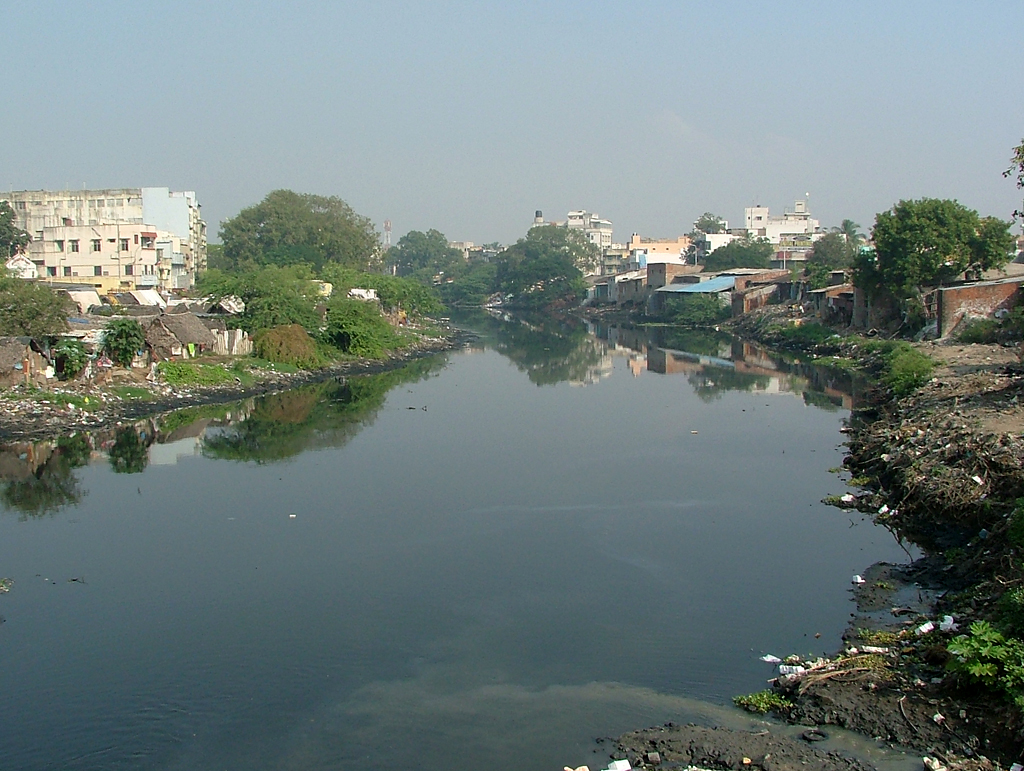
Cooum River - A Past Glory


The Cooum River, is the famous river which ends in the city of Chennai (formerly Madras) in India on the Bay of Bengal. The river almost bisects the city.

The name of Cooum appears to be derived from Tamil Literature. The word "coovalan" denotes a person who is well versed in the science of ground water, well water and stagnant water.

It is also considered to be the shortest classified river draining into the Bay of Bengal and is only about 65 km long. Its source is in a place by the same name 'Koovam' in Tiruvallur district adjoining Chennai district.

History

Cooum is presently a river spoiled by filth and pollution and the water quality is considered to be highly toxic and completely non-potable. As early as thirty years ago recreational boats were available for leisure boating. The Annual tourism exhibition used to take tourists in the waterways until 1985. Ancient documents from the nearby temples states 'reaching salvation' on having a dip in Cooum. The 2004 tsunami cleaned the mouth of the river - but the pollution is back with in a short period.

Pollution

The river is narrow, placid, slow and meandering. The study of the river was undertaken as part of a World Bank funded project and shows that it is 80% more polluted than treated sewer. PWD sources said government agencies like Chennai Corporation and Chennai Metropolitan Water Supply and Sewerage Board, and business units and retail outlets on the banks of the Cooum were responsible for the pollution. The water has almost no dissolved oxygen, and instead there are traces of heavy metals like copper, besides sewage and sludge. Due to its narrowness and about 3500 illegal hutments along its banks, it has not been recently desilted, which has closed it to river traffic.

There is currently a project funded by World Bank to clean up this river. The project, set to take off in March 2009, is expected to be completed by 2010.


Friday, January 2, 2009

E-Waste in Australia

"With electronic items high on Christmas shopping lists, a new report is calling on the government to ensure that manufacturers collect and recycle unwanted computers and mobile phones to protect environmental and human health.

"This is the motherboard of all problems. Federal and state governments must act to stop the dumping of millions of electronic items in landfill each year," says Jeff Angel, director of the Total Environment Centre (TEC), an independent Australian green organisation.

In a report released earlier this month titled ‘Tipping Point: Australia's E-Waste Crisis', the TEC says that by the end of 2008, in excess of 168 million items of electronic waste -- known as e-waste -- will either be in landfills or on their way to be buried in the ground.

The problem with this method of disposal, says the TEC's resource conservation campaigner, Jane Castle, is the hazardous legacy that e-waste can create.

"There are toxic materials that are leached out of these products when they're in landfill and they can damage human and environmental health," says Castle.

Among the toxins that can escape from computers, cell phones, printers and photocopiers are mercury, lead, arsenic and cadmium. The TEC says that through the federally administered phase-out of incandescent lamps -- they are being replaced with more efficient compact fluorescent lamps -- some 1,300 grams of mercury is heading to landfills in the state of New South Wales alone.

Just one gram of mercury is enough to contaminate four billion litres of water above internationally accepted safety standards.

And with Australians among the top-ten consumers of electronic items in the world, the TEC is warning that the problem of e-waste is becoming a crisis.

Sales of computers, mobile phones and digital cameras have all increased in recent years, and a large percentage of these products will eventually end up in landfill sites.

According to the Tipping Point report, elements such as indium, lead and copper have respectively only 10, 42 and 61 years worth of supply left. Among e-waste items where these materials can be found are televisions, batteries, monitors, circuit boards and computer chips.

But while the increasing amounts of e-waste dumped in Australia means that the potential threat to health is growing, a trend in recent years has seen e-waste sent from one country to another, with China, India and Kenya all being recipients."

What is E-Waste?

E-waste is a popular, informal name for electronic products nearing the end of their "useful life." Computers, televisions, VCRs, stereos, copiers, and fax machines are common electronic products. Many of these products can be reused, refurbished, or recycled. Unfortunately, electronic discards is one of the fastest growing segments of our nation's waste stream.

With the passage of the Electronic Waste Recycling Act of 2003 , certain portions of the electronic waste stream are defined and the systems to recover and recycle them will be administratively regulated beyond the universal waste rules that now apply to material handling. Please review the CIWMB's efforts to implement the Act for more information.

In addition, some researchers estimate that nearly 75 percent of old electronics are in storage, in part because of the uncertainty of how to manage the materials. Combine this with increasing advances in technology and new products headed towards the market and it is no wonder that "e-waste" is a popular topic.

E-FAQs

Is "e-waste" clearly defined?
The term "e-waste" is loosely applied to consumer and business electronic equipment that is near or at the end of its useful life. There is no clear definition for e-waste; for instance whether or not items like microwave ovens and other similar "appliances" should be grouped into the category has not been established.

Is "e-waste" considered hazardous?
Certain components of some electronic products contain materials that render them hazardous, depending on their condition and density. For instance, California law currently views nonfunctioning CRTs (cathode ray tubes) from televisions and monitor as hazardous.

What should I do with my electronic discards?
The mantra of " Reduce, Reuse, Recycle " applies here. Reduce your generation of e-waste through smart procurement and good maintenance. Reuse still functioning electronic equipment by donating or selling it to someone who can still use it. Recycle those components that cannot be repaired. To find an organization that reuses or recycles electronics, search the Electronic Product Management Directory (EPMD).

How can I learn more about this topic?
For more information, explore the resources available within this site. Two outstanding overviews include:

The U.S. EPA's recently published WasteWise Update on Electronics Reuse and Recycling, a comprehensive overview of the issue. ( Note : if you decide to print the document, which is available as a PDF, we suggest you do so in black and white--not color.)

The Institute for Local Self-Reliance published Plug Into Electronics Reuse to help expand the reuse infrastructure for electronics. Included in the publication are profiles of 22 model electronics reuse operations in the United States.

What is the CIWMB doing with its own e-waste?
When the CIWMB conducted its last significant purchase of computers, steps were taken to reduce waste. See the case study for information on how CIWMB and the vendor worked to reduce waste and properly manage electronic equipment.